How Railroad Cancer Lawsuit Claims Has Changed My Life The Better
Understanding Railroad Cancer Lawsuit Claims: An In-Depth Look
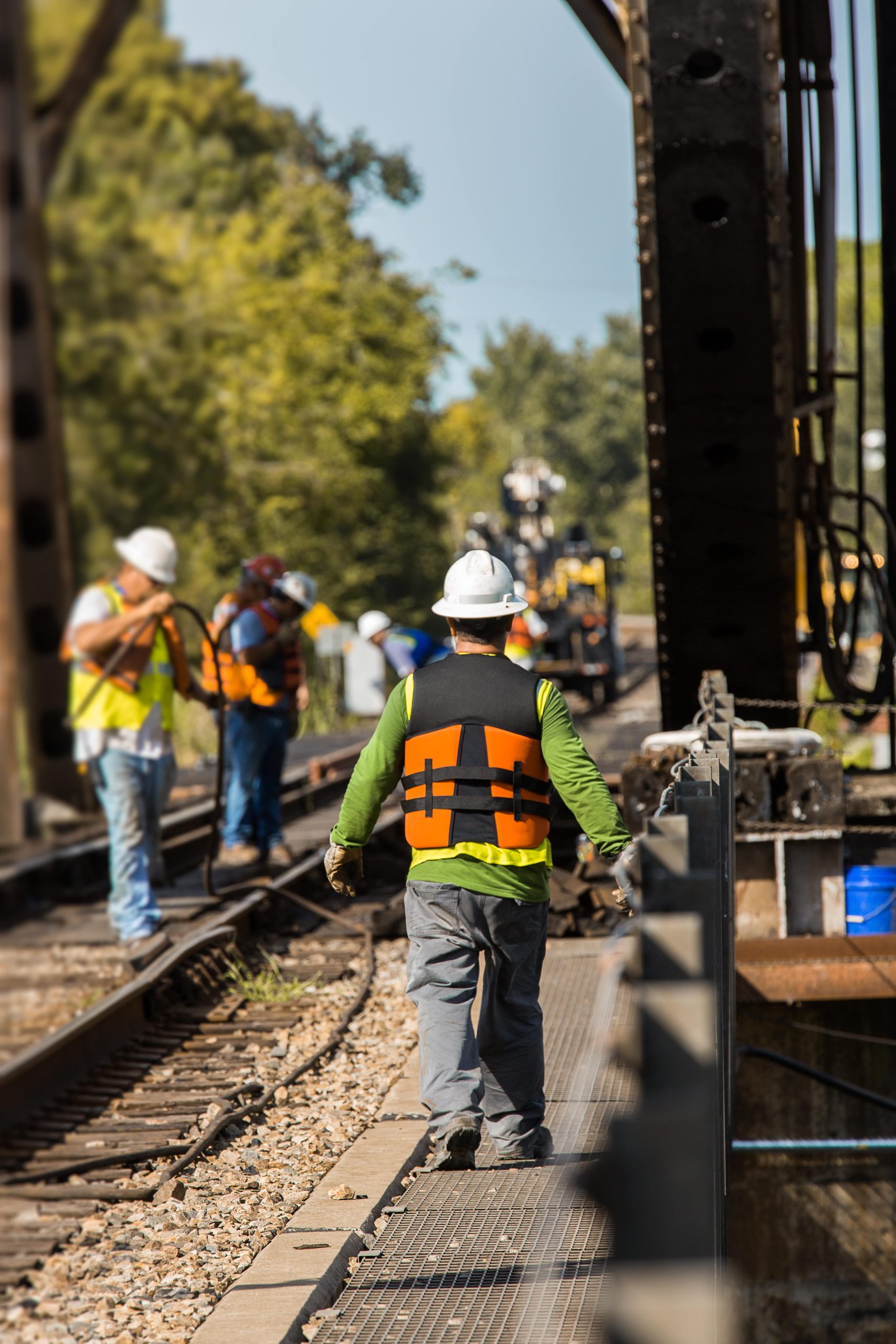
The railroad industry has actually long been acknowledged as a foundation of American infrastructure, facilitating the transport of products and passengers throughout the country. Nevertheless, it is likewise an industry marked by a worrying prevalence of particular health dangers among workers, significantly the occurrence of cancer-related illnesses linked to exposure to hazardous products. As more employees and previous workers look for justice and compensation for their disorders, railroad cancer lawsuit claims have emerged as a crucial subject of discussion. This post digs into the intricacies of these claims, shedding light on the necessary conditions for submitting a fit, kinds of cancer most frequently associated with railroad work, and regularly asked questions about the legal process.
The Dangers of Railroad Work: A Look at Exposure
Railroad workers are often exposed to a variety of hazardous substances during their everyday operations, which may add to the development of life-altering illness. Some of the most common risks include:
Hazardous Substance
Potential Cancer Risks
Asbestos
Lung Cancer, Mesothelioma
Benzene
Leukemia
Diesel Exhaust
Lung Cancer
Creosote
Skin Cancer, Lung Cancer
Coal Tar
Skin Cancer
The above table clarifies the possible risks dealt with by individuals operating in the railroad industry. Significantly, asbestos exposure, historically utilized in insulation and other products, has actually been connected to serious breathing diseases and cancer, leading to various lawsuits.
Types of Cancer Commonly Linked to Railroad Work
Understanding the kinds of cancers that railroad workers might develop as a result of exposure to these harmful products is important for those pondering legal action. The following is a non-exhaustive list of cancers that have been reported amongst railroad employees:
- Lung Cancer: Often connected with exposure to diesel exhaust, asbestos, and other damaging chemicals.
- Mesothelioma: A particular type of cancer directly linked to asbestos exposure, typically seen in railroad workers due to old practices.
- Leukemia: Exposure to benzene is a major risk element; workers handling fuels and solvents are particularly at risk.
- Bladder Cancer: Sometimes linked to exposure to chemicals such as those found in coal tar or diesel fumes.
- Skin Cancer: Can result from prolonged exposure to hazardous substances like creosote.
Submitting a Railroad Cancer Lawsuit
Submitting a railroad cancer lawsuit is a structured process that usually includes a number of essential actions. Understanding these actions can empower prospective complainants to seek justice efficiently.
1. Paperwork of Exposure
Before filing a lawsuit, plaintiffs need to collect extensive documents detailing their exposure to dangerous compounds. This might consist of:
- Employment records from the railroad business.
- Medical records that show a diagnosis of cancer.
- Proof of harmful substance exposure during particular periods of employment.
2. Establishing the Link Between Exposure and Cancer
To prosper in a lawsuit, plaintiffs need to establish a clear connection in between their cancer diagnoses and their occupational exposures. This might involve:
- Expert testament from physician or toxicologists.
- Proof demonstrating the existence of hazardous compounds in the work environment.
3. Submitting the Lawsuit
Once the documentation is complete, the plaintiff can progress with submitting a lawsuit. This usually involves:
- Consulting with a certified attorney concentrating on railroad cancer claims.
- Filing the lawsuit in the appropriate court with all needed files and proof.
4. Pursuing Compensation
Compensation for railroad cancer claims may cover a myriad of expenses, consisting of:
- Medical expenses associated to treatment.
- Lost earnings due to a failure to work.
- Pain and suffering damages.
Regularly Asked Questions (FAQs)
Q1: Who can submit a railroad cancer lawsuit?
A: Former or existing railroad workers who have actually developed cancer or other serious health conditions due to exposure to dangerous substances in the office might submit a lawsuit. Family members of departed workers may likewise have grounds for a wrongful death claim.
Q2: What is the statute of constraints for submitting a claim?
A: The statute of restrictions varies by state. Normally, it ranges from one to three years from the date of diagnosis or from the date the individual had understanding of the disease's cause.
Q3: Do I need to prove carelessness to win my case?
A: Under the Federal Employers Liability Act (FELA), railroad business are needed to provide a safe working environment. While showing negligence isn't always needed, demonstrating that the employer's actions added to the employee's exposure can reinforce the case.
Q4: What if my cancer is detected after I retire?
A: Workers can file claims even after retirement, provided they can demonstrate a connection in between their railroad work and the advancement of their cancer.
Q5: How can an attorney help with my claim?
A: A qualified attorney can supply vital guidance throughout the process, helping to put together proof, establish links in between exposure and disease, file required documents, and work out settlements.
Railroad cancer lawsuit claims function as an essential ways for workers in the railroad industry to seek justice for diseases linked to dangerous exposure. By comprehending Google associated with railroad work, kinds of cancers most typically diagnosed, and the process of filing a lawsuit, impacted individuals can better navigate the complexities of the legal landscape. Those thinking about a claim ought to talk to experienced attorneys specializing in this area to ensure that their rights are protected and that they can protect the compensation they should have for their health difficulties.
As the landscape of labor rights continues to develop, it's necessary that those affected by occupational risks stand together, advocating for much safer working environments and responsibility from significant railroad business.